
The Moment AI Can't Replace (And Whether Your Team Is Ready For It)
Jun 05, 2026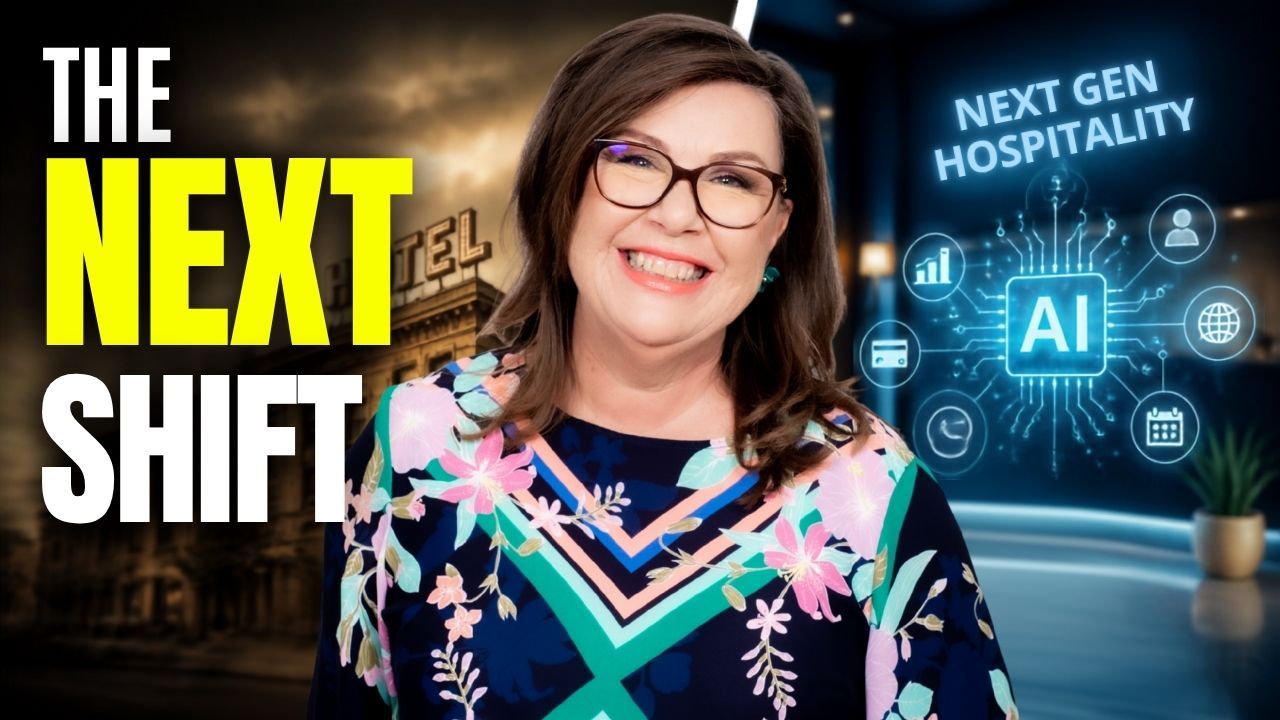
I've been in hospitality for over 30 years. I've watched this industry navigate gaming reforms, the rise of online booking platforms, a global pandemic, and now the biggest operational shift most of us have seen in our working lives.
Artificial intelligence.
The conversation is everywhere right now. I was in Cairns earlier this year with 400 global speakers and the dominant question in every room was the same one I'm hearing from Club CEOs and GMs across Australia: how do we use this, and what does it mean for our people?
It's the right question. But I want to make sure we're also asking the question underneath it.
Because AI is genuinely useful. The hospitality operators getting ahead of it right now are using it to handle pre-arrival communication, administrative functions at the front desk, back-of-house accounting processes, and search visibility — helping guests and members find them across platforms that didn't exist five years ago. Brian Vujnovic, Co-Founder and CEO of MIA Hospitality Management, and a man with 25 years of hotel operations experience across the United States, put it well in our conversation this week. The goal of AI in operations, as he sees it, is to free your front-of-house team up to focus on the customer in front of them rather than the screen in front of them.
I couldn't agree more.
But here's where I want to push back on the broader narrative. Because freeing your team up is only half the equation. The other half is what they do with that freedom.
And in my experience, that's where most venues are underprepared.
The 60-second moment no algorithm touches
Every single day, in every club and hospitality venue across Australia, there’s a moment that determines whether a guest feels like they matter or like they're being processed.
It happens in the first 60 seconds after they walk through the door.
No system delivers that moment. No AI tool, no property management upgrade, no chatbot. The quality of that greeting, whether it feels genuinely warm or transactionally efficient, comes entirely from the person on your floor and what they've been trained to do.
I've been mystery shopping clubs and hospitality venues since 1994. And the single most consistent finding across all of that time isn't about facilities or pricing or food quality. It's about whether the person on the floor made the guest feel like their presence mattered.
Technology doesn't change that. It either supports it or it exposes the gap.
The generation question nobody's asking loudly enough
The generation now entering our industry - the people who will be your frontline team, your supervisors, and eventually your middle managers over the next decade - have grown up with AI as a native tool. They've never known a world without it. And many of them, as Brian observed, are actively choosing careers that allow them to work remotely, from their phones, without the face-to-face social environment that hospitality demands.
Which means the pool of people genuinely drawn to the human connection side of this industry is changing.
That's not a criticism of a generation. It's a structural shift that every Club CEO and hospitality operator needs to be thinking about right now.
Because AI will handle more of the transactional layer of hospitality over time. That's coming regardless of how any of us feel about it. What it can't handle, and I'd argue what it will make more valuable rather than less, is the human layer. The staff member who reads the room. Who notices the guest who looks frustrated before they say a word. Who closes every interaction in a way that makes the guest feel remembered.
As the transactional layer gets automated, the human layer becomes the differentiator. And if the generation entering our industry hasn't been shown what that looks like, hasn't been trained in it deliberately and specifically, the gap between what members expect and what they experience will widen.
Not because AI failed. Simply because we assumed the human skills would take care of themselves.
What this means for your venue right now
The clubs I see consistently performing well on guest experience aren't necessarily the ones with the most sophisticated technology. They're the ones who've been just as deliberate about investing in their people as they’ve been about investing in their systems.
Before your venue commits to the next technology upgrade, I'd encourage you to ask one question alongside it: have we trained our team in what to do with the time we're already freeing up?
The arrival greeting. The complaint recovery. The farewell - which remains the most consistently undertrained moment in club hospitality despite being the last impression a member carries home.
These are teachable skills. They're not personality traits. They don't require a capital investment. They require a decision that the human moments in your venue are worth the same level of intention as the operational ones.
The technology will keep evolving. The moment a guest walks through your door and decides whether they feel welcome - that hasn't changed in 30 years. And it won't.
Catch the full episode with Brian Vujnovic here: https://www.michellepascoe.com/episode-323-brian-vujnovic-ai-human-connection-hospitality
