
How to Say No to a Club Member Without Losing Them
Nov 06, 2026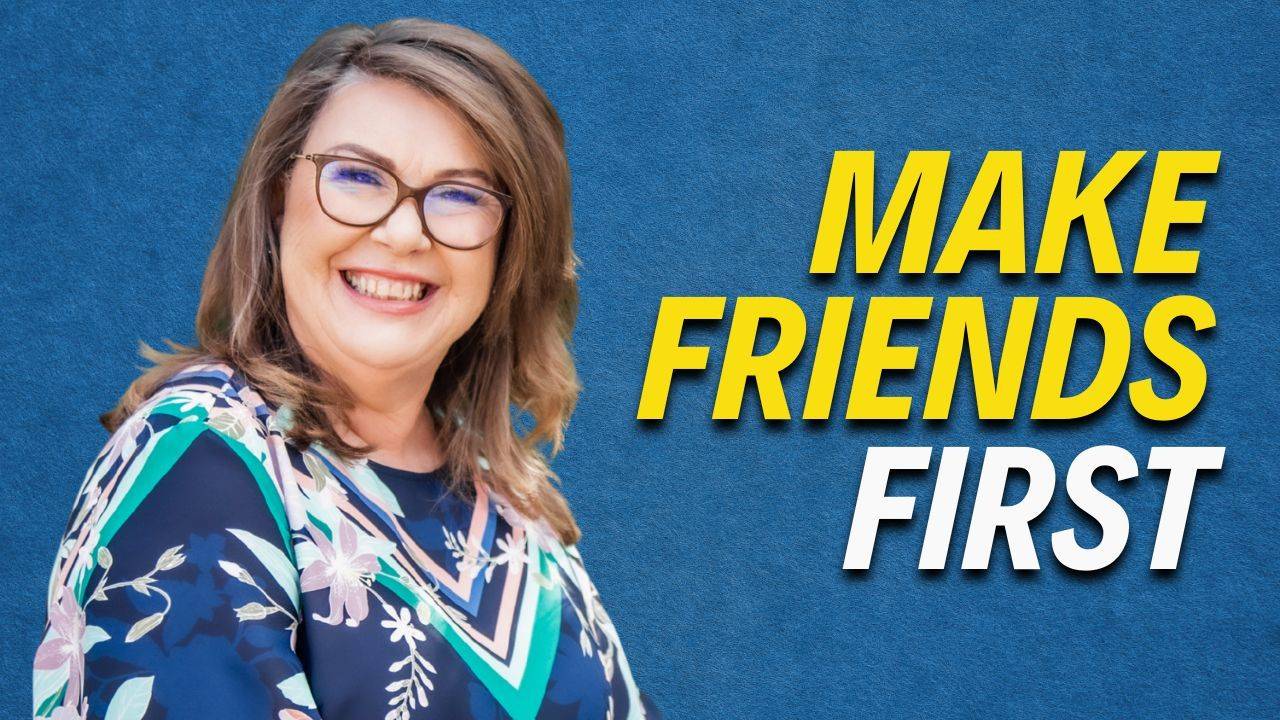
In registered clubs, many of the hardest no’s are required by law, so the rule itself can't change. What leaders can change is how their teams deliver it, and that comes down to how we train, practice and model those moments on the floor.
The coffee machine test
One of the most telling scenarios in our mystery shopping actually has nothing to do with legislation at all. A number of our mystery shoppers have walked up to a club coffee shop 10 to 15 minutes before closing time and been refused a coffee, because the staff had already cleaned the machine. The great venues handled it beautifully. Some pointed the shopper to another outlet in the club where they could still get their coffee. Others simply made the coffee and cleaned the machine again. A few gave a flat no and offered nothing else, even though the coffee shop was still technically open, and those shoppers left disgruntled. A real member in that position would leave the same way, and would probably mention it to a few friends at the next raffle.
That last part is what makes saying no in a club different from saying no almost anywhere else in hospitality. A hotel guest who has a poor experience at check-in may never stay with you again. A member who gets a careless no at the coffee shop will be back on Thursday for trivia, and they will remember how that moment made them feel every time they walk past the counter.
Not every no is the same kind of no
It helps to sort the no’s your team says into three kinds, because each one needs a different response from leaders. The first kind is the law. Refusing service to someone who is intoxicated, keeping minors out of the gaming room and, depending on your state, requiring visitors to sign in are all non-negotiable. Your team has no flexibility here, and they shouldn't.
The second kind is policy. Dress codes, booking limits and member-only areas are rules the club has chosen for good reasons, and there is often room to offer an alternative.
The third kind is convenience. Closing the coffee machine early, telling someone the kitchen has finished five minutes before the advertised time or saying a table can't be moved because it's easier not to. These are no’s that serve the team, not the member. The coffee machine refusal belongs firmly in the third group, yet it was delivered with all the finality of the first.
In my experience that happens when nobody has ever shown the team the difference. Sorting out which no’s are which, and making sure everyone on the floor knows, is a leadership job.
Make friends first, especially when the rule can't bend
I recently spoke with Christine Trippi on my podcast. Christine is a former Marriott General Manager of the Year and the author of Yes Is the Answer, and she describes our automatic no as biology. When someone asks for something difficult, we feel a small jolt of fight or flight, and the quickest way out is "No, sorry, unfortunately". Her first step is to pause and make friends first, because, in her words, starting with no builds a wall and making friends first builds a bridge. Christine's examples come from hotels, where you can often offer options around a request. In clubs, I think her first step matters even more, because when the no is a legal one, connection is the only tool your team has.
Refusing service under RSA is one of the hardest conversations on a club floor. The rule does not move, and it shouldn't. But there is a world of difference between "You're cut off" said across the bar and a team member who comes around to the member, uses their name and says, "I'd love to grab you a water and something to eat, and let's get you on the courtesy bus tonight". The answer is exactly the same. The member's experience of it, and their willingness to come back next week, is completely different. The same goes for the door. A young member turned away over footwear can hear "No thongs after six" or "Thanks so much for coming in tonight. Our dining room has a closed-in shoe rule after six, but the bistro deck is open and you're more than welcome out there". As Christine put it so well on the podcast, the answer may be no, but the experience doesn't have to feel like no.
Open means open
Legal no’s need connection. Convenience no’s need a decision from leadership, and the coffee machine story shows why. If the sign says the coffee shop closes at four, the club is open until four. When the clean-down routine starts 15 minutes early, that is usually because the closing procedure was written around the team's finish time and not around the member's experience. The fix sits with managers, not with the barista standing behind the counter. The venues that impressed our mystery shoppers had either given their teams permission to make the coffee and clean the machine again, or made sure every team member knew where else in the club a member could get one.
Christine shared a similar story from her time as a general manager. Her hotel had no smoking rooms, so she made sure her team knew exactly which nearby hotel did, and could refer guests there warmly. She had planned for the question before it was ever asked. That is the club equivalent of knowing the bar can still make a flat white at 3.50pm.
Leaders have to go first
For decades, we've told our teams that yes is the answer, and we've never taught them how to handle the hard questions. We send them out to face a frustrated member with a policy manual and very little else. Christine’s answer was to practice, every day, through short team huddles, and leaders who go first so their team can see what good looks like. That matters even more now, because a large part of our frontline workforce joined after 2019 and has only ever seen the transactional service most of us fell into during and after the pandemic. If they've never watched a supervisor handle an RSA refusal with warmth, they will copy the only version they have seen. So use your pre-shift briefing to rehearse the first line of your three most common hard no’s, whether that's the RSA conversation, the dress code at the door or the last coffee of the day. Let your duty managers model it on the floor where the team can see it. Then check what your members are actually experiencing through mystery shopping, so you're measuring the reality and not the procedure on paper.
Every no your team delivers tells the member whether this club is glad they came. The law will decide some of those answers for you, and your leadership decides how every one of them feels.
Listen to my full conversation with Christine Trippi on The Michelle Pascoe Hospitality Podcast: https://youtu.be/c_fw7yhZHrk
If you'd like your leaders to build these skills in your venue, my Middle Management Movement, Executive Leaders Movement and Leadership Coaching programs help club and hospitality leaders develop teams who handle the hard moments with confidence and care. You can explore all three at https://www.michellepascoe.com/traininganddevelopmentprograms
