
The Workforce Has Changed. Have You?
Jul 09, 2026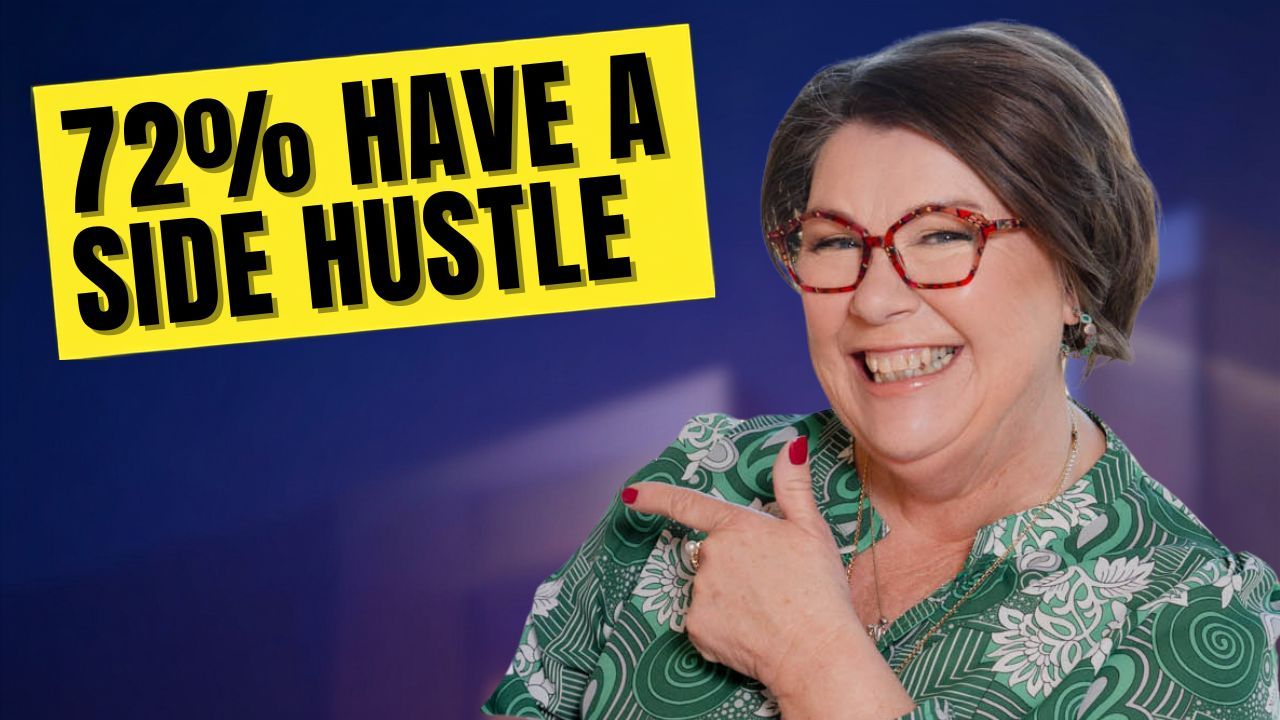
If you've hired anyone under thirty in the last year, you've probably already felt it. You offer someone a career path and get a shrug. You pull the "verbal warning" card and get a week of compliance, maybe two, then you're back where you started. Something has shifted and if you're still running your venue the way you were trained to run one even 10 years ago, you're probably losing good people to something you can't quite put your finger on.
I've been in hospitality for thirty years now and I don't think I've ever seen this big a gap between how we manage and how people actually want to be managed.
This week on the podcast I sat down with Kim Seeling Smith. She's a business futurist who spends most of her time telling companies what's actually coming for their workforce. And not just the theory version, the version that's already showing up in exit interviews and engagement surveys. One thing she said really threw me, mostly because it explains a pattern I've been seeing in clubs and hotels for a while without having the number to put on it. Right now, 72% of Gen Z already have a side hustle going, and if you're managing a team of them, that changes what you're actually competing with for their attention.
Why don't Gen Z hospitality workers want a career ladder anymore
Because the ladder just isn't what it used to be, and somewhere along the way they worked that out. Kim's take is that the old model, work hard, wait your turn, one day you'll run the place, was built on the promise that loyalty gets rewarded eventually. And Gen Z has watched that promise be broken for the generation just ahead of them, so why would they bank on it?
Now, instead of waiting around, they're building something on the side. Another job. Some shares. A little business idea they're chipping away at on their day off. I don't actually think that's disengagement, whatever the older generations may stereotype. I think it's more like insurance.
Here's what I'd add, and Kim and I didn't quite get to this in the recording. I don't think Gen Z has given up on growing. I think they've given up on believing growth only happens inside your business. Give them something real to grow into in the next year, not five years from now, and you've got a shot. Don't, and they'll just build it themselves around you, then eventually hand in their notice.
I think of the kind of team member almost every venue has right now. Early twenties, good on the floor, picking up shifts around uni or around whatever else they've got going on. Somewhere in the background there's a small resale business, or a bit of content work, or they're helping a mate build something. None of that shows up in a performance review. It's not on their timesheet and it's not something they'd bring up unprompted in a one on one, because most of them have learned that talking about it makes managers nervous, like it's a sign they're not committed. But it's there, and it's usually the first thing that gets their real energy once the shift ends.
The mistake is treating that like competition for their attention instead of asking what it tells you. It tells you they already know how to build something from nothing, manage their own time, and take a risk without anyone telling them to. Rather than seeing that as a threat to your roster, that's someone you could actually be developing on purpose, if you were curious enough to ask about it instead of hoping it doesn't come up.
Does carrot and stick management still work in hospitality
For about a week, yes. After that, not really. Kim made this point too and I've lived it for thirty years. The manager who runs a shift on threats gets a compliant team that night and a slightly resentful one every night after. The manager who actually explains why something matters, to the guest standing there, to the person next to them on the floor, tends to get people who just do the right thing because they get it, not because they've been told to.
That's harder work, to be honest. Threats are quick. Conversations take longer and you have to actually mean them.
What keeps Gen Z staff engaged if it's not the ladder
Two things, and neither of them are new, but the order's changed. Skills come first now, and community's not far behind it.
In this year’s AFR's Best Places to Work survey, Kim mentioned that, for the first time, career development stopped meaning "show me the five year plan" and started meaning "give me something useful for right now, and something that'll keep me relevant when AI's doing half my job". People aren't asking to be promoted so much as they're asking to be equipped, which sounds like a small difference but isn't.
Then there's community, which I've watched build in clubs for years without anyone ever really using it as a retention strategy, because it usually isn't planned that way. It's rarely the Gen Z team member who starts it either, more often it's a middle manager who organises something outside the roster, a trivia night, a fun run, a charity fundraiser, and once that connection exists within your team, skipping a Friday shift becomes more about letting the team or a colleague down.
I recall a club manager who started taking groups of younger team members along to local charity groups they supported just to see what it was all about and the difference the money they raise actually makes. Within a few months that same group had started covering shifts for each other without being asked, because nobody wanted to be the one who left a mate short-staffed on a Saturday night. That's the whole mechanism right there. Nobody built a program. A manager just gave people a reason to actually know each other outside the four walls of the venue, and the rostering problem mostly solved itself.
I actually think hospitality has something most industries don't here, because every shift is already a small group of people solving a problem together in real time. We've just never been that deliberate about turning it into belonging. Mostly we've hoped it happens on its own.
Worth asking yourself, does your team actually have a reason to show up for each other, or just a roster telling them to?
So what do you actually need to do differently
Stop selling the ladder and start handing over the toolkit instead.
Give people skills that'll help them whether they're with you in five years or gone in five months, whether they end up running your kitchen or their own little cafe down the road eventually. That's not you losing out by the way. Someone who leaves having actually grown under you becomes the person telling everyone how good you were to work for, and often enough they end up back on your books a few years later anyway.
Pair that with consequences that are real conversations instead of warnings, and community that means more than a notation in the staff handbook. And be honest about whether what you're offering is actually worth years of long hours and missed weekends, because for a lot of good people right now, it isn't, and that's the real reason they're leaving.
We went further into the AI side of all this in the full episode with Kim Seeling Smith, "How Do You Manage Staff Who Won't Wait for You?", including what it's already doing to hospitality hiring, which honestly surprised me. Worth a listen below.
And if you're sitting there wondering how this actually plays out on your floor, that's exactly the kind of thing my Middle Management Movement, Executive Leaders Movement, and Leadership Coaching programs are built to work through with you. All three are at https://www.michellepascoe.com/traininganddevelopmentprograms.
