
Why AI in Hospitality Fails Without Leadership Capacity
Oct 23, 2026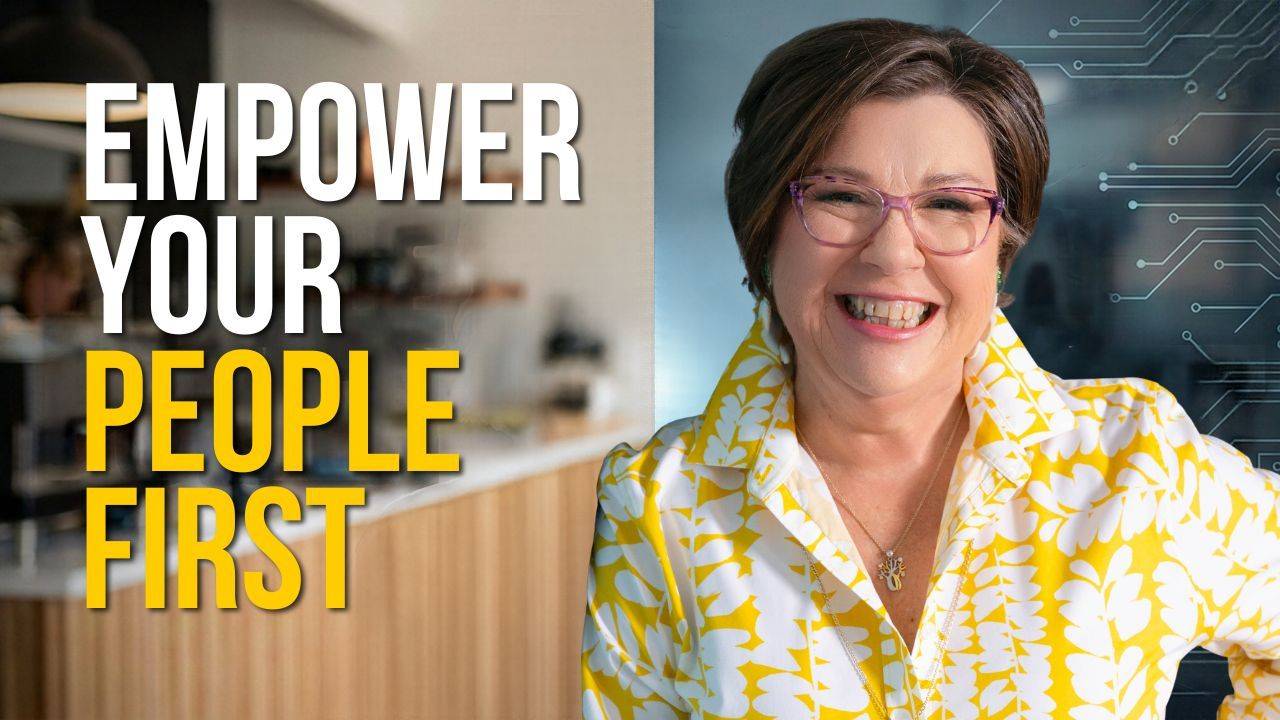
AI in hospitality succeeds or fails on leadership capacity, not on the technology itself. When leaders are stretched, every new system adds to the overwhelm instead of easing it. After more than 30 years working with clubs, hotels and hospitality venues across Australia, I've found that the venues getting real value from technology are the ones whose leaders have the time, the habits and the honesty to bring their teams along with them.
What does overwhelm look like when the technology is already in place?
Most of the overwhelm I see in venues right now has nothing to do with a lack of technology. The booking system works, the rosters are on an app and the POS mostly talks to everything else. And the team still isn't coping. When I recorded a podcast episode with guest experience coach Danica Smith, she described sitting in the board meeting of a hotel group she advises. Direct bookings were up, conversions were up and revenue was up year on year. The CEO wanted to spend the meeting on how the group ranked when people searched for it in ChatGPT. Meanwhile, the group's breakfast was scoring 2 out of 5 on the OTAs. That conversation could have happened in plenty of boardrooms I've sat in. The attention goes to the next shiny thing, while the basics that guests are telling us about slip further down the list.
The people who carry that gap are usually middle managers. I work with a lot of them in their 30s who are burnt out. They're still doing everything themselves instead of delegating, they feel they have to be everyone's friend and everyone's boss, and on top of that they're expected to become experts in every new system the senior leadership team signs off on. When a new tool lands on that person's desk, it doesn't save them time. It becomes one more thing they're responsible for, and nobody’s shown them how to lead their team through it.
Why do hospitality technology projects stall?
Danica spent nearly eight years on the technology side of our industry, eventually leading global partnerships for a major vendor. She left that role because she was frustrated by the distance between what was promised and what was delivered. She described hoteliers being told a new platform could connect with everything, then being quoted $15,000 for an integration that was still unfinished two years later. Vendors carry real responsibility for that. At the Australasian Gaming Expo this year, a number of my clients told me they could pick the vendors who didn't know our industry within a couple of questions, because the moment they asked something specific, the answers turned into "I'm sure we can do that" rather than a clear demonstration of how it was actually done.
I think we also need to look at our own side of the counter. Even when the tool works, it often lands on a team that hasn't been prepared for it, a manager who hasn't been given time to implement it, and a culture where nobody feels comfortable saying it isn't working. That's a leadership capacity problem that no amount of vendor due diligence will fix it.
What does psychological safety look like mid-shift?
Psychological safety gets discussed in training rooms on a Friday morning, when everyone's relaxed and holding a coffee. That's not where it's tested. Picture a Saturday night in a busy club bistro. A new kitchen display system went live on Tuesday. A team member on the pass realises that three tables' orders have gone to the wrong station and their meals are about to go out late. In a venue without psychological safety, she says nothing and hopes it sorts itself out, because the last person who raised a problem with the new system got a sigh and a "just follow the process".
In a venue with it, she tells the duty manager straight away. What the duty manager does next is what matters. They say "good catch, thank you", go to the three tables themselves to explain the delay, and tell her they'll work out what happened with the system after service. Nobody gets pulled aside in front of the team, and the fix happens now while the conversation happens later. That one exchange shows the whole shift that raising a problem with the new system is expected and safe. Multiply it across a few weeks and the venue finds and fixes its implementation problems far faster than one where the team stays silent.
It also extends to the conversation most leaders are avoiding right now, which is whether AI will replace jobs. Danica's advice to general managers was to sit the team down and talk about it honestly, even without having all the answers. Her suggested words were along the lines of: right now I can promise you nothing is going to change this year, and whatever happens, we'll figure it out together. Your team is already worried about it, and saying nothing doesn't make the fear go away.
What separates hospitality leaders who adapt from leaders who burn out?
Picture two operations managers rolling out the same new rostering app in the same month. The first sends an email with the login details, answers complaints as they arrive and takes the stress home every night. By week six, half the supervisors are still keeping a paper roster on the side and the manager is exhausted. The second spends ten minutes at the end of each shift for the first fortnight asking the supervisor on duty one question: "What did the new app make harder today?" She writes every answer in the same notebook and fixes one thing each week. By week six the supervisors are using the app properly, because they've watched their feedback turn into changes. The difference between them isn't intelligence or even experience. The second manager has a habit of getting problems out of her head and onto paper, where she can act on them.
Danica's advice for an overwhelmed GM came back to the same habit: before anything else changes, do one thing tonight that helps you go to bed calm, and very often that means writing the list down so you stop carrying it. Leaders who adapt well build a short, regular routine for listening and writing things down. Leaders who burn out try to hold everything in their heads and absorb every problem personally.
Five questions to ask before your venue adds another tool
Before you sign off on the next piece of technology, I'd encourage every GM and leadership team to work through these five questions together.
1. What problem has our team told us this will solve?
Start with what your people on the floor are struggling with, not with what looked impressive in the demo.
2. Who will own it, and do they have the time?
If the answer is a middle manager who is already stretched, either free up their time or hold off.
3. Have we tested the vendor in our own venue?
One of Danica's clients, choosing a new property management system, invited the senior leaders of three shortlisted vendors to stay at one of her properties. Her staff helped make the call by noticing who sat at the bar and got to know the team, who asked for a show round, and who stayed in their room doing emails.
4. Have we told the team what is changing and what isn't?
Have that conversation before go-live, not after the rumours start.
5. Which basic might slip while we do this?
If your breakfast scores, phone manner or response times are already under pressure, fix those first or protect them deliberately during the rollout.
If you can't answer all five with confidence, the gap you need to close is leadership capacity, not software.
Building leadership capacity in your venue
Technology will keep changing faster than any of us would like. The venues that benefit are the ones that invest in the people leading the change, particularly their middle managers. That's the focus of my Middle Management Movement, which gives hospitality supervisors and managers the leadership skills to bring teams through change without burning out, alongside the Executive Leaders Movement for senior leaders and my Customer Excellence and Engagement Programs for frontline teams. You can explore all three at https://www.michellepascoe.com/traininganddevelopmentprograms
You can also listen to my full conversation with Danica Smith on The Michelle Pascoe Hospitality Podcast: https://youtu.be/xnP66ltSx0M
