
Why Succession Planning Is the Conversation Clubs Keep Putting Off
Jul 17, 2026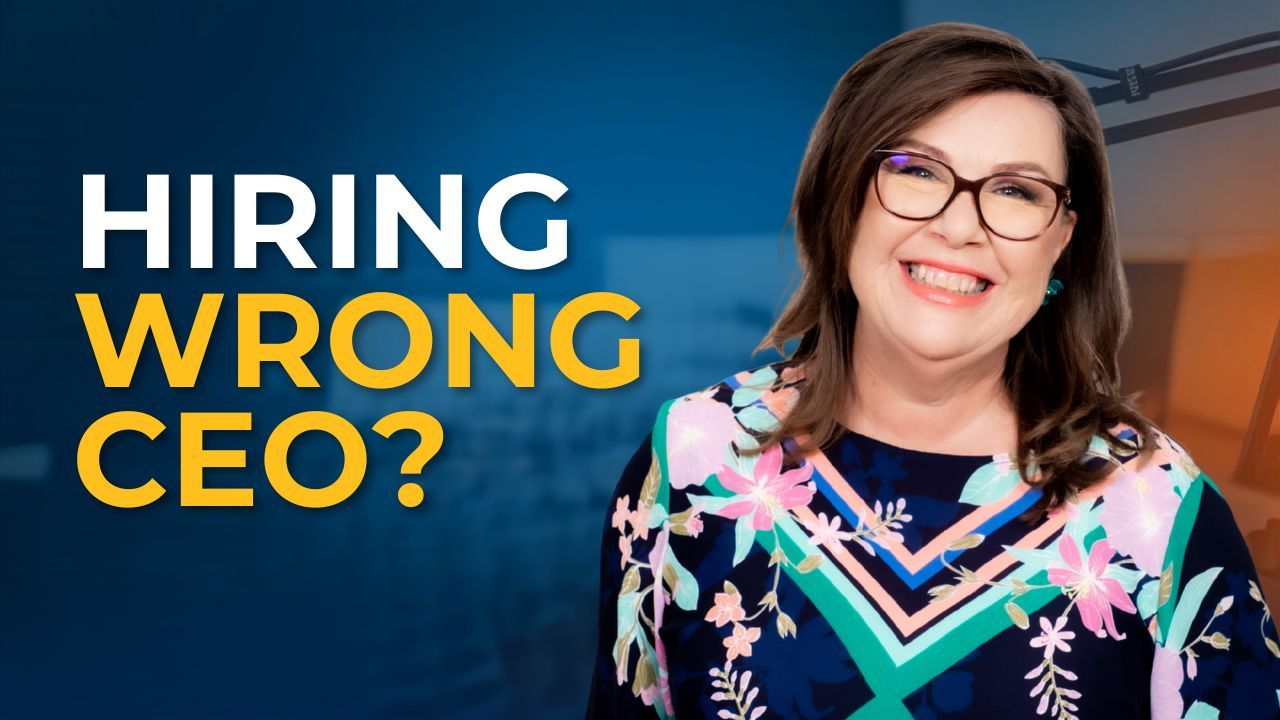
I've sat in enough board meetings and enough CEO conversations over the years to know that succession planning is one of those topics that always feels important but rarely feels urgent. Until it is.
Right now, this industry is sitting on a leadership transition that I think is going to catch a lot of clubs off guard. A significant wave of senior leaders, people who have given decades to this industry, are moving toward retirement. Some are already gone. Others are closer than their boards realise. And the pipeline of people ready to step up behind them is not where it needs to be.
Why Is Succession Planning Such a Pressing Problem in the Club Industry Right Now?
The club industry is losing senior leaders faster than it's replacing them, and most boards haven't built a pipeline to fill the gap. That's the plain version of a problem I keep running into, in conversation after conversation, across regional and metro venues alike.
I explored this recently with Ian Stazicker and Grant Taylor, the new owners of White Now Recruitment, which has been the leading recruitment agency for the registered club industry for over 26 years, on an episode of my podcast, Why Boards Keep Hiring the Wrong Person for the Top Job. They came to the business with something unusual for people in recruitment. Both of them have sat inside clubs in operational and board roles, so they understand the industry from the inside out, not just from a shortlist and a job description.
What they're seeing from where they sit is instructive. When they're working on senior recruitment for regional clubs, one of the very first questions candidates ask has nothing to do with the role itself. It's whether there's accommodation. For a lot of people who might otherwise be excellent candidates, that's the thing that makes the move possible or impossible. It sounds like a practical detail but it's actually a signal of something bigger. The barriers to getting the right people into the right roles in this industry are more complex than most boards factor in when they start a recruitment process.
What Are Boards Getting Wrong When They Hire for Senior Leadership Roles?
Boards tend to hire for operational familiarity instead of leadership capability, and that's the mistake costing clubs their next generation of CEOs. Ian was direct about this when we spoke. Someone who knows the industry, knows how a club runs, knows the compliance requirements, none of that is unimportant. But at the senior level, it matters less than leadership, strategic thinking, and the ability to build a culture and hold it together over time.
Those things, he said, you can't teach someone quickly once they're already in the chair. What you can do is build them slowly, from the inside, over years. That's the part boards consistently underestimate. They treat the CEO hire as the moment they solve the leadership problem, when really it's the moment they find out whether they solved it years earlier.
How Do the Clubs Getting This Right Actually Do It?
The clubs genuinely well positioned for the transitions coming in the next five years are not the ones with the best recruitment relationships, though that helps. They're the ones where someone made a decision, sometimes years ago, to take middle management development seriously. To look at the people in the middle of their organisation and ask not just what they're capable of today, but what they could grow into with the right investment behind them.
That's a different kind of thinking to what I see in a lot of venues, where development happens reactively, when there's a performance problem or a sudden gap, rather than as a deliberate ongoing strategy.
Ian and Grant spoke about a club they'd visited recently that was doing this well. Actively bringing their own people along, creating internal pathways, making development part of how the organisation operates rather than something bolted on the side. They noted that it takes infrastructure to do that well, and that smaller clubs face real constraints, often relying on one or two senior people to hold the board, the compliance, and the mentoring all at once. But the principle holds regardless of size. You either invest in the people you have or you spend forever searching for the people you need.
What Does Real Middle Management Development Look Like in Practice?
Genuine development means giving your middle managers the leadership skills, not just the operational skills, well before they need them. That's the distinction I keep coming back to with the clubs I work with. Operational training teaches someone to run a shift. Leadership development teaches them to run a business, to sit across from a board, to hold their own judgement under pressure, and to build a team that doesn't fall apart the moment they're not in the room.
In a market where senior talent is genuinely hard to find, where regional locations add another layer of complexity, and where the boards doing the hiring don't always know what they're actually looking for, that search can cost you more than the development ever would have. Ian and Grant's conversations with candidates confirm this from the outside. Clubs with a clear pipeline and a clear offer move faster and land better people than clubs starting from scratch the moment someone resigns.
Where Do You Start the Succession Conversation With Your Board?
You start before someone announces they're leaving, not after. That's the honest answer, and it's also the hardest part, because succession planning competes for board attention against a dozen more immediate fires.
If you're a CEO or a board member reading this and you haven't had a real conversation about your leadership pipeline lately, that's the conversation I'd encourage you to start now, while you still have time to do something about it. Ask who's in your middle management team today who could grow into a senior role in two years. Ask what's actually stopping them. Then build the plan around the answer, rather than waiting for the vacancy to force your hand.
Our Middle Management Movement, Executive Leaders Movement, and Leadership Coaching programs are all built around exactly this kind of development, giving hospitality venues a genuine pathway to grow leaders from within rather than scrambling to replace them from outside. You can explore all three at michellepascoe.com/traininganddevelopmentprograms, or reach out to me directly to talk about what a development pathway could look like for your team.
Watch the full episode with Ian and Grant below.
