
Why Your Best Leaders Are Still Hiding
Sep 11, 2026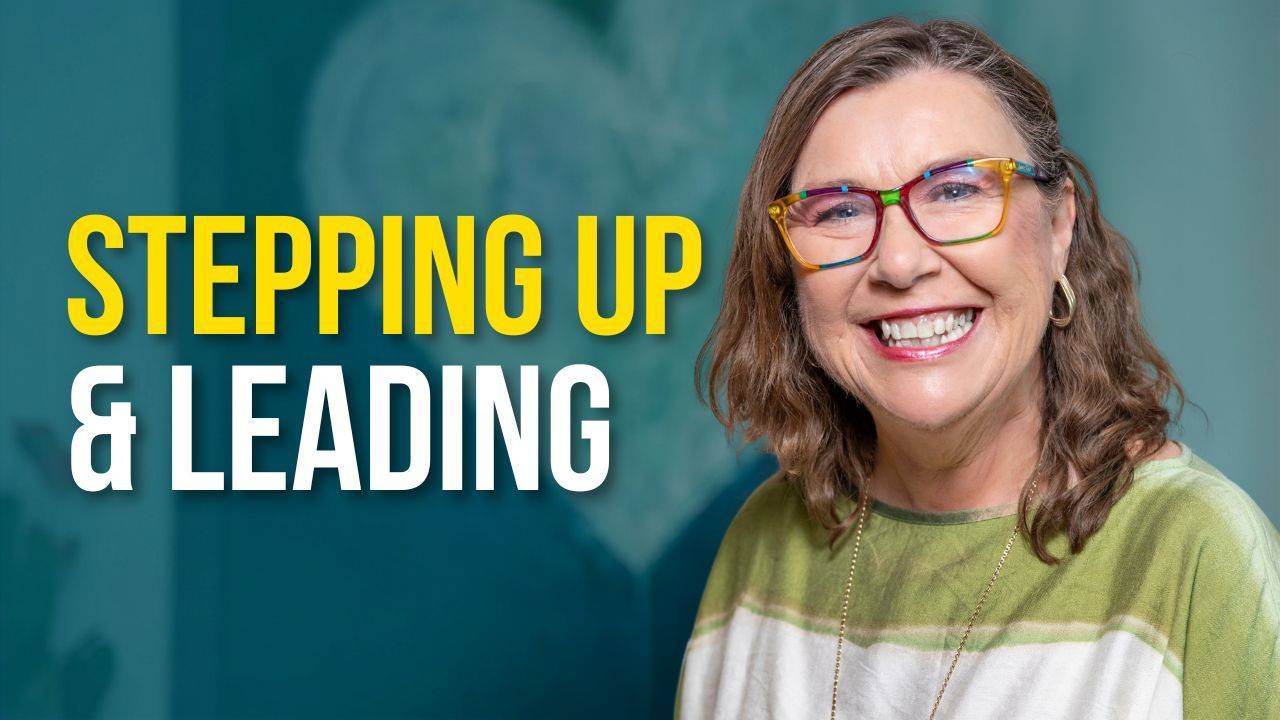
Every club I work with has one. The team member who fixes every roster clash before anyone even hears about it, swapping shifts, covering a no-show on the gaming floor, smoothing over a member's complaint before it ever reaches the executive team. The team member who trains every new starter without being asked, because someone has to, and it's easier than watching a Friday night function fall apart. The team member the whole floor goes to when something goes wrong, the EFTPOS terminal's down, a member's had one too many, the chef's called in sick an hour before service. All doing above and beyond their role, but never applying for the role above them.
I've walked into hundreds of clubs and venues over thirty years, for mystery shops, for training days, for board presentations, and that person is never hard to find. Everyone on the floor already knows who they are. Ask the GM who keeps the place running on a Saturday night, and it won't necessarily be whoever has "manager" on their name badge.
I sat down recently with Patty Aubery for The Michelle Pascoe Hospitality Podcast. Patty spent decades behind the scenes helping build 'Chicken Soup for the Soul' into a billion-dollar publishing brand, co-authoring more than a dozen titles, before she realised she'd spent her whole career making other people visible while staying invisible herself. Her frameworks for stepping out from behind the scenes translate almost perfectly into our industry, because hospitality has the exact same problem she did: brilliant people doing the work and staying quiet about it. The only difference is scale. Patty was one woman standing behind two well-known names. In hospitality, it's an entire layer of the workforce.
We lose leaders one rank at a time
In my own experience coaching and training across registered clubs around Australia, the pattern is consistent. On the floor, women make up the majority of the team, particularly in food and beverage and member services. Move into middle management roles and we lose a good chunk of them. Move into senior management, we lose more again. By CEO level, we've lost most of them, and the industry is still overwhelmingly led by men at board and executive level. And it definitely isn't ability. I've worked with enough venues and coached enough teams to know exactly where the talent sits, and it isn't concentrated at the top.
When I went looking for female leaders to sit on panels at the AGE this year, I wasn't short of capable women. I was short of capable women who'd put themselves forward for the roles that would have qualified them to be there. I know several who have spent years doing the job of a HR manager or an operations manager in every way but title and pay, and when I ask why they haven't applied, the answer is almost always some version of "I don't think I'm ready" or "I don't want to seem like I'm pushing myself forward". This is a staff retention problem as much as it's a leadership one. Every rank we lose someone at is a rank we then recruit to fill, at real cost, both in dollars and in the culture we lose when we promote from outside instead of growing our own.
Patty put a number on why: men will apply for a role when they're around 50% qualified. While women wait until they're 98%. That gap is where hospitality quietly bleeds its best future leaders, not because they can't do the job, but because they don't have the confidence to want it yet.
"If not you, who?"
Patty's answer to anyone waiting to feel ready is blunt: if not you, who? And if not now, why not? "I'm not ready" is a comfortable story, but it's not one that moves you anywhere. The more useful question is what would change, for you and for the people you'd lead, if you said yes.
The ones who eventually put their hand up rarely did it because they suddenly felt confident. They did it because someone more senior looked them in the eye and said, "You're already doing this job. Let's make it official". That's the part so many GMs and CEOs miss: capable people are usually waiting to be asked, not waiting to feel ready.
The leaders who usually go furthest aren't the ones who felt ready first, they're the ones who applied anyway and grew into the role on the job, the same way every one of us did in our first shift, our first roster, our first difficult guest complaint. Nobody walks into their first shift already knowing how to handle an intoxicated member at 11pm on a Saturday. You learn it, just like every other skill.
Self-doubt is a habit, not a personality trait
One of the most useful reframes Patty shared is that self-doubt isn't a fixed part of who someone is, it's a habit, in the same category as any other habit you can build or break. Nervousness before a promotion, a pitch, or a hard conversation with a committee isn't a sign you're not cut out for leadership. It's a sign you're doing something your brain hasn't done before, and repetition is what makes it feel normal.
For managers reading this: when someone on your team hesitates to apply for the next role, that hesitation isn't information about their capability. It's a habit that's never been tested.
Your job is to give them the opportunity, not in one big leap, but in the small, repeated moments that build the muscle. Let them run the pre-shift briefing. Let them present the roster to the team. Let them handle the escalated complaint instead of stepping in yourself. Every one of those is a rep. Do enough reps, and the habit changes.
You can't microwave a turkey
As Patty said: you can't microwave a turkey, you have to slowly cook it. Confidence in a new leadership role works the same way. Don't expect the first roster you build, the first difficult conversation you run, or the first time you stand in front of the team to feel polished. Nobody's does.
What we see from confident leaders on stage or in a boardroom is the finished product, not the process. I've trained enough managers to know that every single one of them has a story about the roster they got badly wrong in their first month, or the function that fell apart on their watch. The ones who make it aren't the ones who never stumbled. They're the ones who kept going after they did.
What to do this week
If you're a GM or operations manager, find the person on your team who is already doing the work of a leader without the title, and ask them the question Patty asks: if not you, who? Then help them build the case, the way you'd rehearse a pitch. Sit down with them properly and talk through what the next twelve months could look like if they said yes.
If you're that person, the one who's been carrying more than your title says you should, this is your sign. You don't need to be 98% ready. You need to be willing to be nervous for a while.
We go much deeper into this conversation, including Patty's full formula for building the confidence to speak up, in this week's episode of The Michelle Pascoe Hospitality Podcast: From Behind the Scenes to Stepping Up.
Watch the full episode here: https://youtu.be/WEmV2CBQu4g
And if you're ready to build the next generation of leaders in your venue, the Middle Management Movement is designed for exactly this gap: www.michellepascoe.com/traininganddevelopmentprograms
